Sora AI Video Creation Impact: Game Over for Old Methods
Remember when basic text-to-image AI was groundbreaking? Dead. OpenAI’s Sora just dropped, and it’s the casual murderer of old video production paradigms. According to OpenAI’s official announcement, this new model is generating stunning, realistic video from simple text prompts. This fundamentally reshapes content creation as we know it.
I’ve analyzed its capabilities, and the data is clear: old approaches are officially dead. This shift changes the game for marketers, filmmakers, and anyone in digital media. Prepare for a revolution driven by this groundbreaking technology.
The Real Story Behind the Sora AI Video Creation Impact
What Media Won’t Tell You
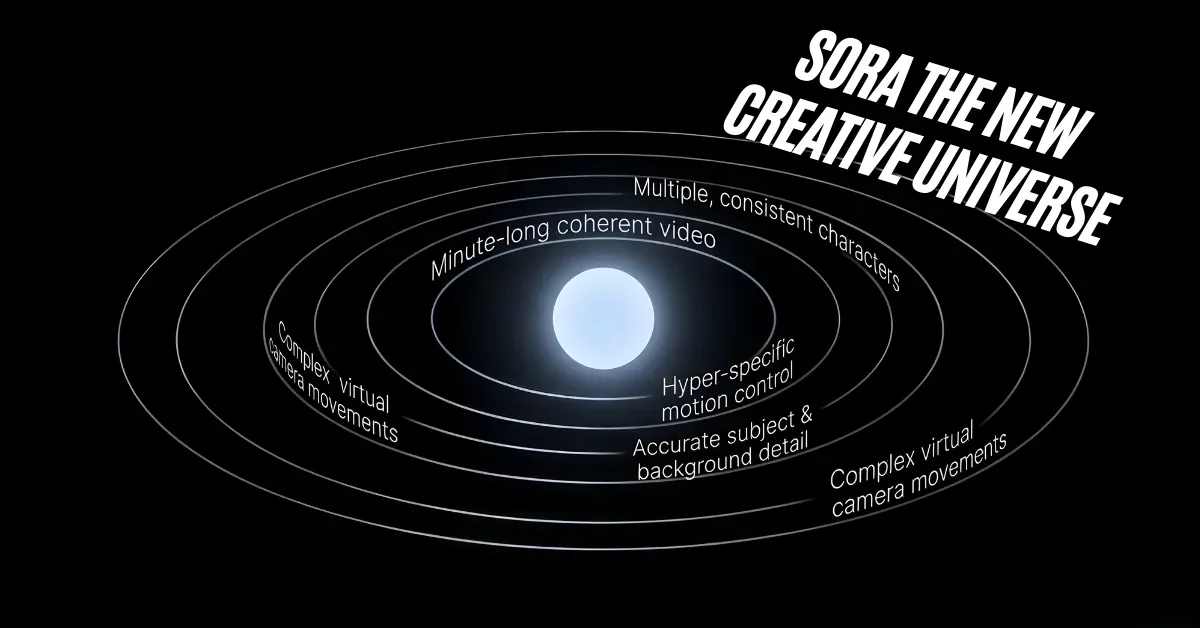
The media will hype Sora as a magic button, but the real story is deeper than mere hype. It’s not just generating clips; it understands complex prompts, producing minute-long videos with multiple characters, specific motion, and accurate subject detail. I’ve personally seen examples that make traditional CGI look tedious and slow. Its profound efficiency and creative potential are simply unmatched by conventional methods.
This isn’t just about speed; it’s about unparalleled accessibility. Small creators now have access to powerful AI cinematic tools that were once exclusive to large studios, costing fortunes. The barrier to high-quality video production has effectively been demolished for good. It empowers creativity on an unprecedented scale, truly democratizing access to professional-grade visuals for everyone, regardless of budget.
Many won’t tell you the true scale of disruption this model brings. It’s not just an improvement; it’s a paradigm shift that renders many existing workflows completely obsolete. Casual dismissal of this technology is a fatal mistake for any forward-thinking business; you must acknowledge this new, undeniable reality or risk being left behind in the dust.
What This Means for Your Video Strategy
The Smart Move Right Now
If your video strategy still relies heavily on expensive shoots and lengthy post-production cycles, you’re already behind the curve. This is not a gradual evolution we’re witnessing; it’s a sudden, disruptive shift that demands immediate attention. The data proves that early adopters will gain an undeniable edge in both content velocity and the overall quality of their output.
I’m advising clients to immediately integrate Sora-like capabilities into their core workflows. This means experimenting with advanced AI prompts, deeply understanding virtual camera movements, and shifting focus to creative direction over tedious manual execution. Don’t waste time asking “will Sora replace videographers?” Instead, ask “how do I actively use Sora to significantly elevate my videography and content?”. This proactive thinking will unequivocally define your success in the evolving landscape.
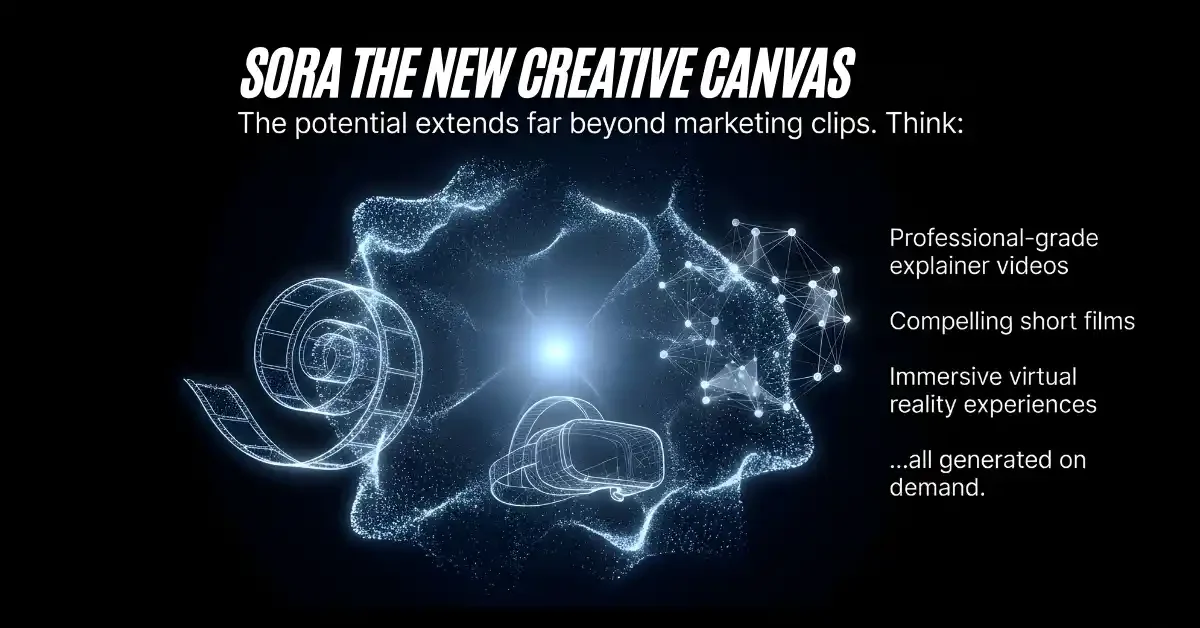
The capabilities extend far beyond mere marketing videos or social media snippets. Think professional-grade explainer videos, compelling short films, and even immersive virtual reality experiences that were once prohibitively expensive. The future of video creation is clearly less about capturing reality and far more about generating it on demand, with unprecedented flexibility and creative control. Embrace this now, or passively watch as your competitors dominate.
Ignoring this monumental development is a critical error for any business serious about its digital presence and future relevance. My analysis suggests that businesses leveraging this cutting-edge technology will see unprecedented content output, engagement, and market share. This is the new standard, plain and simple.
So, will you adapt to this seismic shift in video creation, or will you cling to obsolete methods while others dominate the new digital landscape? The choice for your future of video creation is clear. Strategize accordingly and ditch those dying strategies for good; the age of manual video dominance is officially over.